
Core Drilling Rigs
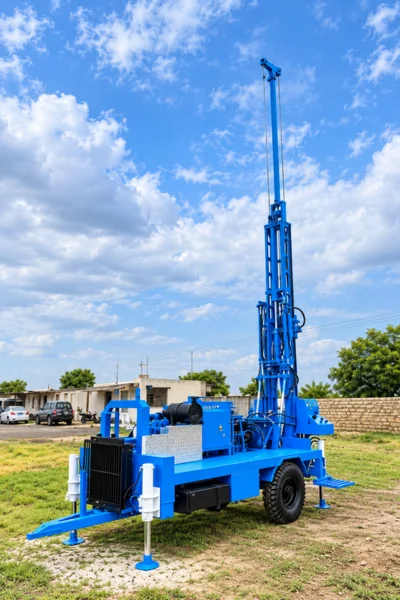
Core drilling is used when a project needs more than a drilled hole—it needs a physical sample of the formation below ground. Core drilling rigs are designed to advance specialized coring tools while recovering cylindrical sections of rock or other formation material for geological examination and investigation. Synergy Rigs Ghana supplies core drilling rigs for mineral exploration, geological investigation, geotechnical work and other subsurface sampling applications. Equipment can be selected according to target depth, core diameter, formation conditions, drilling system, site access and expected workload.
Core Drilling Systems for Sample Recovery
The main purpose of core drilling is to recover formation material while maintaining sufficient sample quality for examination. A typical coring system uses a rotating core bit to cut an annular path through the formation. As drilling progresses, a cylindrical core enters the core barrel and can subsequently be retrieved for logging, inspection or further analysis. The effectiveness of the process depends on more than the drilling rig. Core barrel, drill rods, bit, circulation system and rig capacity all need to correspond with the intended drilling program.
Core Drilling Methods and Rig Configurations
Core drilling equipment can be configured differently according to depth, geology, sampling objectives and field conditions.
Conventional Core Drilling
Conventional coring systems can also be used for suitable drilling programs depending on depth, formation and sampling requirements. The appropriate configuration should be determined by the investigation objective rather than selecting a coring method solely on maximum drilling depth.
Diamond Core Drilling
Diamond core drilling uses diamond-set or diamond-impregnated bits to cut through rock while preserving a cylindrical core within the barrel. It is particularly relevant to mineral exploration and geological investigation where continuous rock samples are required.
Wireline Core Drilling
Wireline systems allow the inner core barrel and recovered sample to be retrieved through the drill string without removing the complete rod string after each core run. The rig, rods, core barrel and retrieval equipment should be selected as a compatible system.
Core Recovery Across Changing Formations
Subsurface conditions can change considerably within a single exploration hole. Competent rock, fractured zones, weathered formations and other geological changes can affect the drilling process and recovered core. Equipment selection should therefore account for expected geology as well as sample requirements.
Weathered Zones
Weathered formations can behave differently from competent rock and should be considered when planning the coring system and drilling procedure.
Fractured Formations
Broken or highly fractured zones can make core recovery more challenging and may require adjustments to tooling and drilling parameters.
Competent Rock
Suitable core bits and drilling parameters are required to cut the formation while producing a usable core sample.
Exploration and Investigation Drilling Applications
Core drilling is used where continuous or representative subsurface rock samples are required for geological interpretation, resource evaluation or engineering assessment.
Mining Development
Core drilling can support mine planning and development by providing additional information about geological conditions and rock characteristics within the planned mining area.
Mineral Exploration
Core drilling provides recovered rock samples that can be logged and analysed to understand lithology, mineralisation and geological structures at depth.
Geotechnical Investigation
Core drilling can provide representative rock samples for assessing rock quality and subsurface conditions relevant to engineering and infrastructure projects.
Resource Definition
Additional core holes can be drilled to improve geological understanding and define the continuity, geometry and characteristics of a mineralised zone.
Geological Investigation
Core samples help geologists examine subsurface formations, rock characteristics, structural features and changes between geological zones.
Why Choose Synergy Rigs Ghana for Core Drilling?
Core drilling equipment should be configured around the sample required from the ground rather than treating the rig as an isolated machine.
Equipment for Multi-Hole Programs
Rig capacity, tooling and supporting equipment can be specified for exploration programs involving repeated drilling across multiple investigation points.
Equipment for Different Site Conditions
Crawler, truck-mounted and compact configurations can be considered according to project access, terrain and mobility requirements.
Complete Coring Equipment Setup
Core barrels, rods, bits, pumps, retrieval equipment and other supporting components can be considered alongside the main rig.
Tooling and Wear Component Support
Frequently used drilling tools and wear components can be considered when planning equipment for ongoing field operations.
Exploration and Geotechnical Configurations
Core drilling solutions can support mineral exploration, geological investigation and selected geotechnical requirements.
Sampling-Based Rig Selection
Equipment can be considered according to the required core size, target depth, formation and investigation objective.
Frequently Asked Questions About Core Drilling Rigs
1. What is diamond core drilling?
Diamond core drilling uses a diamond-equipped core bit to cut an annular path through rock while allowing a cylindrical sample to enter the core barrel.
2. What is wireline core drilling?
Wireline coring allows the inner core barrel to be retrieved through the drill string, reducing the need to remove the entire rod string after each core run.
3. What determines the core size?
Required sample dimensions and the selected coring system determine the core size. The corresponding bit, barrel and drill rods should be selected as compatible components.
4. How deep can a core drilling rig drill?
Working depth depends on the rig model, core size, drill string, formation, drilling system and supporting equipment.
5. Can crawler rigs be used for core drilling?
Yes. Crawler-mounted core rigs can be useful where drilling points require movement across suitable uneven or off-road project areas.
6. What equipment is required for core drilling?
A core drilling setup can include core barrels, core bits, drill rods, reaming shells, retrieval equipment, water pumps, casing and other drilling accessories.
7. What information is required when selecting a core drilling rig?
Provide the application, required core size, target depth, expected geology, preferred coring system, terrain and anticipated drilling workload.