
Blast Hole Drilling Rigs
Blast hole drilling requires consistent hole production across rock formations where depth, diameter, alignment and drilling method directly affect the drilling program. The rig must provide sufficient feed, rotation and rock-penetration capability while remaining practical to reposition between drilling points. Synergy Rigs Ghana supplies blast hole drilling rigs for quarrying, mining and rock-excavation projects. Equipment can be configured according to rock formation, hole diameter, drilling depth, drilling method, bench conditions, site terrain and expected production workload.
Blast Hole Rigs for Production Drilling
Blast hole drilling commonly involves producing multiple holes across a planned drilling area. Unlike exploration drilling, where geological information or sample recovery may be the main objective, blast hole equipment is selected primarily around productive and repeatable hole drilling. The required rig configuration depends on the rock being drilled, hole specifications, drilling pattern and number of holes expected during operation. For repeated production work, machine capacity, drilling controls, mobility and tooling compatibility become particularly important.
Drilling Methods for Hard-Rock Blastholes
Different rock conditions and hole requirements can call for different drilling systems.
DTH Blast Hole Drilling
DTH drilling uses compressed air to operate a hammer directly behind the drill bit. The combination of pneumatic impact and rotation makes DTH configurations particularly relevant for competent and abrasive rock. The compressor, hammer, bit and drill rods should be selected as one compatible drilling system.
Top Hammer Drilling
Top hammer systems generate percussion at the drill rig and transfer impact energy through the drill string to the bit. Depending on the intended application and rig configuration, this method can support suitable bench, quarry and rock-drilling operations.
Rotary Blast Hole Drilling
Rotary drilling relies primarily on rotational force and suitable bit loading to penetrate the formation. The appropriate method depends on rock characteristics, required hole dimensions and the scale of the drilling operation.
Hole Specifications and Rig Capacity
Blast hole rig selection should begin with the holes that need to be produced rather than maximum machine depth alone.
Drilling Workload
Production projects involving repeated holes require equipment selected with operating cycles, repositioning, tooling wear and expected drilling volume in mind.
Rock Formation
Rock hardness, abrasiveness, fracturing and formation changes influence penetration requirements and tooling selection.
Hole Diameter
Required diameter influences the drilling method, bit, hammer, drill rods and supporting equipment.
Feed and Rotation
Feed force and rotation should correspond with the selected drilling method, bit and rock formation.
Hole Depth
Bench height and project design influence the required drilling depth and drill-string arrangement.
Rig Mobility Across Quarry and Mine Benches
Blast hole rigs frequently need to reposition from one drilling point to another within the working area. Mobility is therefore an important part of the equipment configuration.
01. Rig Positioning
The drilling platform should allow controlled positioning at each drilling point while providing an appropriate operating base for the mast and drilling system. Mobility requirements should be considered together with drilling capacity rather than as a separate equipment decision.
02. Crawler-Mounted Blast Hole Rigs
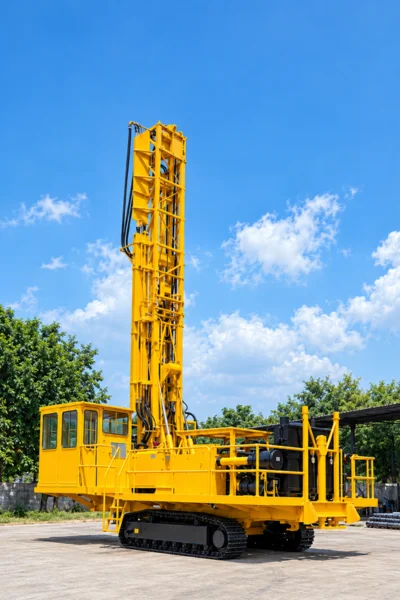
Crawler platforms provide tracked movement around suitable quarry, mine and rock-working areas.They are particularly relevant where the rig needs to reposition repeatedly across unpaved or uneven ground.
03. Working on Bench Areas
Machine dimensions, ground conditions, available positioning space and gradients should be assessed before selecting equipment for bench drilling.
Air and Tooling Requirements for DTH Drilling
For DTH blast hole rigs, drilling performance depends heavily on the relationship between the compressor, hammer, bit and drill string.
Drill Rods
Rod diameter, length and connection type need to be compatible with the rig and drilling system. Correct component matching prevents the main rig from being limited by unsuitable air supply or tooling.
Air Compressor
The compressor should provide the pressure and air volume required by the selected DTH hammer and hole diameter.Airflow also assists with removing drilled cuttings from the hole.
Drill Bits
Bit design and size should be selected according to the hammer, required diameter and rock conditions.
DTH Hammer
Hammer size should correspond with the required hole diameter, bit and available air supply.
Blast Hole Drilling Applications
Blast hole rigs can support production and rock-drilling requirements across several working environments.
Rock Excavation
Blast hole drilling equipment can support selected rock-excavation projects where controlled hole production is required before subsequent rock-breaking operations.
Surface Mining
Suitable rigs can support production drilling in surface mining environments according to rock conditions, required hole specifications and project scale.
Quarry Drilling
Crawler blast hole rigs can be used to produce holes across quarry benches where repeated drilling and movement between hole positions are required.
Construction Rock Drilling
Depending on site requirements, blast hole rigs can support selected civil and construction projects involving substantial rock excavation.
Formation Conditions
Rock competency, fracturing, weathered zones and changing geological layers influence drilling method and tooling selection.
Why Choose Synergy Rigs Ghana for Blast Hole Drilling?
Blast hole equipment should be selected around the production requirement, rock formation and operating environment rather than relying on a general drilling-rig specification.
Equipment for Repeated Hole Production
Rig capacity, drilling controls, tooling and supporting equipment can be considered for operations involving multiple holes and ongoing production drilling.
Tooling and Wear Components
Drill bits, hammers, rods and other working components can be considered as part of the wider equipment requirement for continued field operation.
Crawler Platforms for Site Mobility
Crawler-mounted options provide practical movement between drilling positions across suitable mine, quarry and rock-working areas.
DTH and Rock Drilling Configurations
Rig and tooling combinations can be matched to hard-rock drilling requirements across quarry, mining and excavation projects.
Rock-Based Rig Selection
Equipment can be considered according to rock characteristics, hole diameter, drilling depth and required drilling method.
Complete DTH System Matching
The rig, compressor, hammer, bit and drill rods can be considered together to create a compatible drilling setup.
Frequently Asked Questions About Blast Hole Drilling Rigs
1. What drilling methods are used for blast holes?
DTH, top hammer and rotary methods can be used depending on the rig, rock formation, required hole diameter and project conditions.
2. Are DTH rigs suitable for blast hole drilling?
Yes. DTH rigs are commonly applicable where competent hard rock requires pneumatic impact drilling.
3. What determines blast hole diameter?
Required diameter is determined by the project design and influences bit size, hammer selection, drill rods and the capacity of the drilling system.
4. What compressor is required for a DTH blast hole rig?
Compressor requirements depend on the selected hammer, hole diameter and operating conditions. Both air pressure and delivered air volume need to correspond with the DTH system.
5. Are crawler rigs suitable for quarry drilling?
Yes. Crawler-mounted rigs can provide practical movement between drilling positions across suitable quarry and bench environments.
6. How deep can a blast hole drilling rig drill?
Working depth depends on the rig model, drilling method, hole diameter, drill string, rock conditions and project requirements.
7. What information is needed when selecting a blast hole rig?
Provide the application, rock formation, required hole diameter, drilling depth, drilling method, site terrain and expected drilling workload.