
DTH Drilling Rigs
DTH drilling rigs are built for boreholes where hard, compact and abrasive rock demands more than rotary cutting alone. By placing pneumatic impact directly behind the drill bit, the DTH method concentrates rock-breaking energy at the bottom of the hole. Synergy Rigs Ghana furnish DTH drilling rigs for water boreholes, agriculture, quarrying, mining and other hard-rock drilling projects. Rig selection can be matched to the required hole diameter, drilling depth, rock conditions, compressor demand and site accessibility.
DTH Drilling Systems Engineered Around the Rock Formation
A productive DTH setup depends on how well the individual components work together.
The rig provides feed, rotation and drill-string handling, while compressed air operates the DTH hammer and helps remove cuttings from the borehole. Hammer size, bit diameter, drill rods and compressor output therefore need to be considered as part of one drilling system.
Core DTH equipment includes:
- DTH drilling rig
- Air compressor
- DTH hammer
- Button bit
- Drill rods
- Casing equipment where required
- Lubrication and supporting accessories
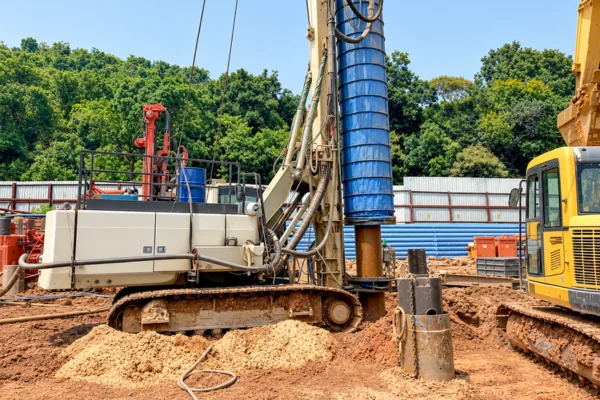
How DTH Impact Works
In DTH drilling, compressed air travels through the drill string to a pneumatic hammer positioned immediately behind the bit. The hammer piston repeatedly strikes the bit while the drill string rotates. Because the impact occurs close to the rock face, the hammer does not need to transmit percussion through the full length of the drill string. The compressed air also performs another important task: carrying drilled cuttings away from the bottom of the hole. This is why both air pressure and air volume matter when specifying a DTH system.
DTH Component Compatibility
Compressor Pressure and Air Volume
The compressor must provide the pressure required to operate the hammer and sufficient air volume to clear cuttings from the borehole. An undersized air supply can reduce hammer performance and hole cleaning, so compressor selection should follow the hammer's actual operating requirements.
Consumables and Wear Components
Bits, hammer components and drill-string connections are working parts of the DTH system. Their expected wear and replacement availability should be considered when planning equipment for repeated drilling operations.
Feed and Rotation Control
Feed force and rotation need to suit the hammer, bit and formation. Appropriate operating parameters support consistent penetration while helping manage unnecessary tooling wear.
Hammer and Bit Compatibility
The required hole diameter helps determine the hammer and bit combination. The bit shank must also be compatible with the selected hammer.
Drill Rod and Connection Selection
Rod diameter, length, thread and connection requirements should correspond with the rig, hammer and expected drilling depth.
DTH Rig Mobility for Different Working Environments
The drilling system also needs a platform suited to the terrain and movement between holes or project sites.
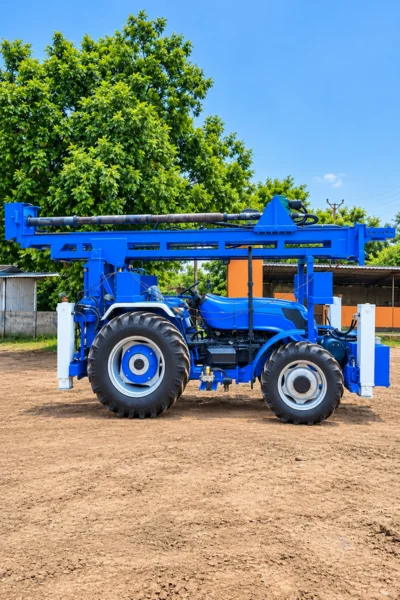
01. Tractor-Mounted DTH Rigs
Tractor-mounted arrangements can suit agricultural and rural projects where this type of site mobility is practical.
02. Crawler-Mounted DTH Rigs
Tracked configurations can provide practical mobility across rough, uneven and off-road drilling environments.
03. Truck-Mounted DTH Rigs
Suitable where road mobility between accessible borehole and drilling locations is important.
DTH Rig Applications Across Hard-Rock Drilling Projects
Commercial and Institutional Boreholes
DTH equipment can support groundwater development for commercial properties, institutions and other projects where hard-rock formations are encountered.
Mining and Exploration Drilling
Hard formations, repeated drilling cycles and demanding site conditions can make DTH systems relevant to selected mining and exploration work.
Agricultural Water Boreholes
Where farms and irrigation projects encounter hard rock, DTH equipment can support groundwater borehole development.
Hard-Rock Water Boreholes
DTH rigs are commonly used where groundwater boreholes must penetrate competent rock formations.
Quarry and Blast-Hole Drilling
DTH technology can be used for controlled hole production in quarry and rock-drilling operations.
Why DTH Drilling Contractors Work With Synergy Rigs Ghana
Complete DTH System Matching
The rig can be considered together with the compressor, hammer, bit, rods and other supporting equipment rather than treating each component as an isolated purchase.
Tooling and Replacement Component Considerations
Hammers, bits, drill rods and other wear components can be considered as part of the wider equipment requirement for ongoing drilling operations.
Multiple Rig Platforms
Different mounting arrangements provide options for contractors operating across accessible, rural and challenging project locations.
Equipment for Hard-Rock Drilling Conditions
DTH configurations are available for projects where pneumatic impact is required to penetrate competent and abrasive formations.
Rig Selection Based on Actual Hole Requirements
Depth, diameter, formation and drilling workload can be considered before deciding on the machine configuration.
Frequently Asked Questions About DTH Drilling Rigs
1. Why is DTH drilling effective in hard rock?
The pneumatic hammer operates directly behind the bit, delivering impact at the rock face rather than transmitting percussion through the entire drill string.
2. What determines the correct DTH hammer size?
Hole diameter is a primary factor, but hammer selection should also consider rock conditions, required air supply and compatibility with the bit and drill string.
3. How do I select a compressor for a DTH rig?
Match the compressor's working pressure and air delivery to the requirements of the selected DTH hammer, hole diameter and operating conditions.
4. How deep can a DTH drilling rig drill?
Maximum depth depends on the rig specification, drill string, hole diameter, formation, hammer and overall equipment configuration.
5. What is the difference between DTH and rotary drilling?
DTH combines rotation with pneumatic impact directly behind the bit. Conventional rotary drilling relies primarily on rotation and cutting action.
6. Can DTH rigs drill water boreholes?
Yes. DTH rigs are commonly used for groundwater boreholes where competent hard-rock formations need to be penetrated.
7. What equipment is required with a DTH drilling rig?
A typical system includes the rig, air compressor, DTH hammer, bit and drill rods, with casing, lubrication equipment and other accessories added according to the project.
8. What information should I provide when requesting a DTH rig?
Provide the rock formation, required hole diameter, drilling depth, application, site conditions and expected workload. If you already have a compressor, include its pressure and air-delivery specifications.